

7 Dog Harnesses That Prevent Skin Chafing
Last Updated: November 22, 2026
Quick Summary
Dog harnesses that prevent skin chafing route straps behind the shoulder blades and clear the armpit, with the chest strap sitting on the flat of the chest rather than in the leg crease. Correct measurement and fit checks matter as much as design, since strap shift is the hidden cause of most armpit rubbing.
- Measure the widest part of the ribcage behind the front legs, plus neck base and chest depth.
- Slide two fingers under each strap so it is snug but not twisting.
- Recheck the fit after five minutes of walking because straps settle and shift.
- Closed-cell padding resists moisture, while open-cell foam soaks up water and grit.
- Wash the harness regularly because trapped grit and dried sweat act like sandpaper.
Table of Contents
- How to Measure a Dog for a Harness
- Choosing a Dog Harness That Does Not Rub Under the Arms
- How to Prevent Chafing from a Dog Harness
- Padded Dog Harness for Sensitive Skin: What to Look For
- Frequently Asked Questions
How to Measure a Dog for a Harness
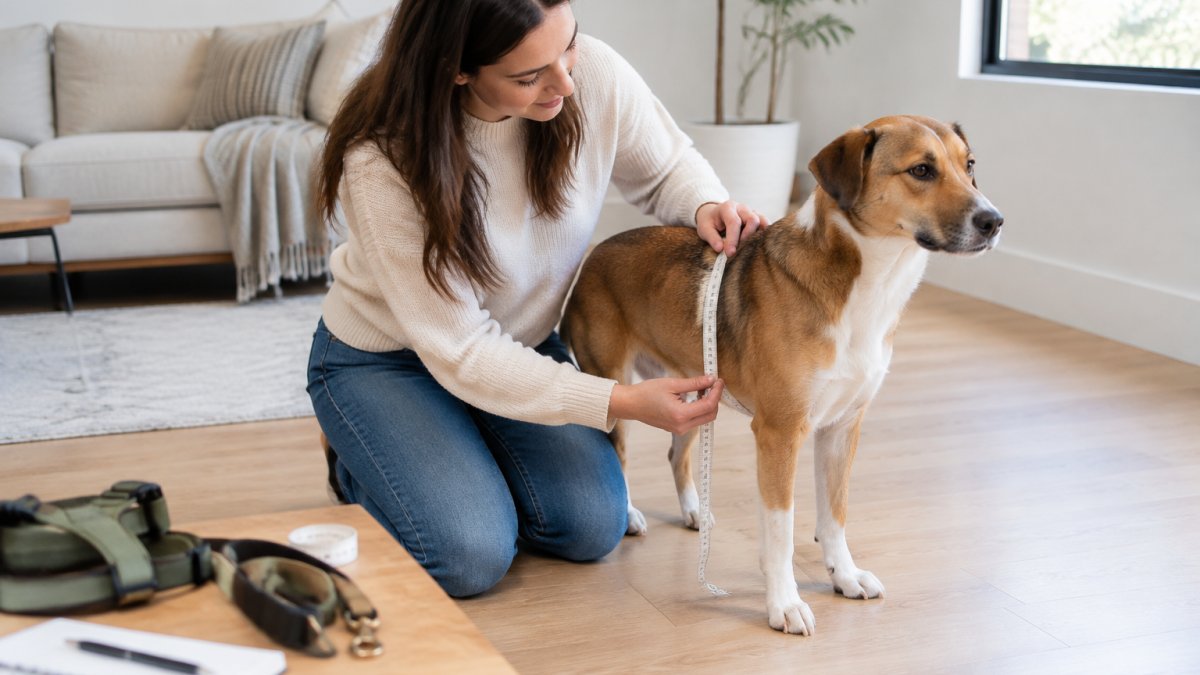
Choosing dog harnesses that prevent skin chafing starts with correct measurements. Most rubbing problems trace back to a harness bought by breed or weight guess rather than by the tape. Measurement is the first step in choosing dog harnesses that prevent skin chafing.
Measure the widest part of the ribcage just behind the front legs, then the neck base and chest depth. Keep the tape snug but never tight, and measure a standing dog. A harness that shifts even slightly during a walk creates friction, and friction wears skin down.
The woman is American.
Our step-by-step measuring guide shows exactly where to place the tape and how to check the numbers against a sizing chart.
Choosing a Dog Harness That Does Not Rub Under the Arms
The armpit is the first place a dog harness fails. That crease takes constant pressure during walks, and a strap crossing it directly will rub no matter how soft the webbing. The fix is routing the strap away from the crease, not more padding.
Look for a harness that routes straps behind the shoulder blades and clears the armpit, with the chest strap across the flat of the chest rather than in the leg joint crease. Padding should sit flat with no rolled edges.
Fit check, step by step:
- Put the harness on a standing dog and fasten every buckle.
- Slide two fingers under each strap, snug enough not to twist, loose enough to move.
- Watch the dog walk away: the chest strap should stay on the flat of the chest, not slide toward the armpit.
- Watch the dog turn: the harness should not rotate around the ribcage.
- Lift one front leg gently. If the strap digs into the armpit crease, the harness is too far forward or the wrong shape.
- Recheck after five minutes of walking, because straps settle and shift.
A harness that fits perfectly standing still can still shift during a walk. If the chest strap slides toward the armpit after a few minutes of trotting, tighten the adjuster on that side or switch to a design with a wider chest panel that resists rotation.
Strap shift is the hidden cause of most armpit rubbing. A single narrow chest strap rotates easily; a Y-shaped front or broad chest plate stays put. Deep-chested dogs need the chest strap lower and wider, while narrow-chested dogs need a harness that won't slide side to side.
Correct fitting matters as much as design. Our fitting video and instructions walk through putting a harness on so the straps stay clear of the rubbing zones.
How to Prevent Chafing from a Dog Harness
Chafing rarely appears overnight. It usually begins as a faint pink line, then a thinning patch of coat, then visible redness where the strap sits.
Catch it early. Run your hands over the chest, armpits, and underbelly after every long walk, checking for warmth, dampness, or matted fur. If you find irritation, stop using the harness for a few days, let the skin settle, and refit before walking again. Wash the harness regularly, because trapped grit and dried sweat act like sandpaper, and never walk a dog in a wet harness for long distances.
| Problem | Likely Cause | Fix |
|---|---|---|
| Redness under the arms | Strap crossing the armpit | Refit or switch to a shoulder-clearing design |
| Thinning coat at the chest | Loose harness shifting | Tighten adjusters, check sizing |
| Damp, warm patches | Trapped moisture | Clean and dry the harness after wet walks |
| Rubbing only on long walks | Friction build-up | Add padding, shorten walk length until skin settles |
Our fit and care guide covers how to stop chafing from coming back once it starts.
Padded Dog Harness for Sensitive Skin: What to Look For
Padding quality decides comfort for a thin-coated or sensitive dog, but not all padding is equivalent. The material, seams, and attachment all change how much friction reaches the skin.
Closed-cell padding resists moisture and does not compress into a hard ridge. Open-cell foam soaks up water and grit, then grinds against skin.
Check the lining and edges. A smooth, breathable material reduces friction, while rough binding tape or exposed seams create hot spots. Run your fingers along every edge that touches the dog, a stiff seam or rolled binding will be felt, especially on a short-coated breed. Look for padding that wraps the full strap width.
Seams facing outward, away from the body, cannot rub; seams facing inward against the chest or armpit create friction even through padding. On bound edges, the binding should be soft and flat, not a hard cord.
A harness that traps heat and sweat softens the skin and makes it more vulnerable to rubbing. Mesh panels and breathable linings help, but only if the harness still holds its shape. A flimsy mesh harness that bunches under the chest can cause more rubbing than a firm padded one.
Coat type changes what to prioritize:
- Short-coated dogs have no fur cushion, so seam softness and flat padding matter most.
- Long-haired dogs trap grit and matted fur, so a smooth lining that lets hair lie flat reduces tangling.
- Double-coated breeds need a wider, flatter pad that does not compress the coat into a felted patch.
- Dogs with hot spots or allergies need a harness that can be washed often without losing shape.
Long-bodied or deep-chested dogs need enough adjustment range to keep padding flat rather than bunched, since a bunched pad creates a ridge, and a ridge is a pressure point.
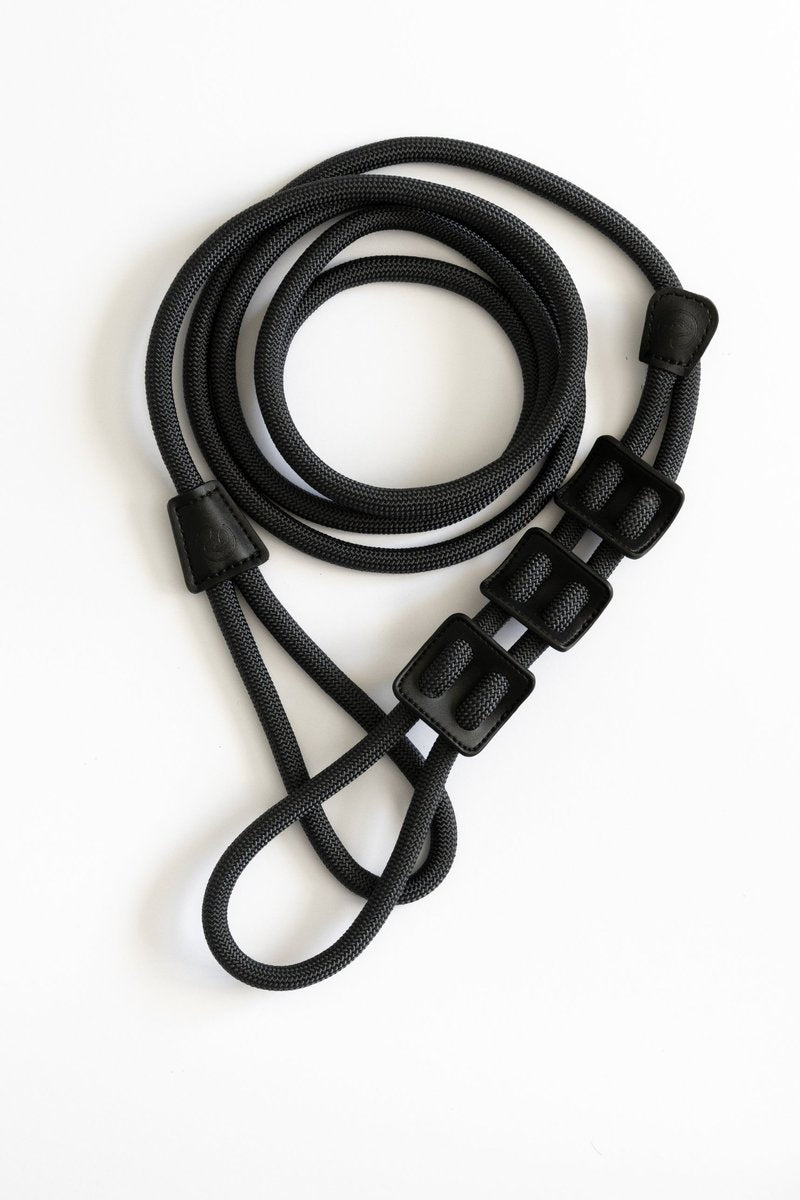
When you know what to look for, a hardware-free harness designed to sit gently against the body is the natural next step.
Frequently Asked Questions
What is the best dog harness to prevent chafing?
The best dog harnesses for preventing chafing share three traits: closed-cell padding, adjustable straps at the chest and neck, and a Y-shaped front that keeps straps away from the armpits. Look for breathable materials and smooth edge binding. Fit matters more than brand. A well-made harness that sits correctly will outperform a premium harness that is the wrong size or adjusted poorly.
Can a harness cause skin irritation or hair loss?
Yes. Constant friction from a loose or poorly placed strap can rub hair away and leave red, irritated skin, especially under the front legs and across the chest. Dogs with sensitive skin or short coats show it faster. Check the armpits and underbelly after every walk for redness or thinning fur. If you see either, stop using the harness, let the skin recover, and refit or switch to a padded design.
Should you stop using a harness if it causes chafing?
Stop using the harness until the skin heals. Continued rubbing can turn minor redness into open sores. Once healed, refit the harness following a proper measurement guide, or switch to a padded dog harness for sensitive skin. If chafing returns after a correct fit, the harness shape may not suit your dog's body, and a different style is the better fix.
